MALAWI: CECOM speaks out ahead of the International Day of the Girl Child

|
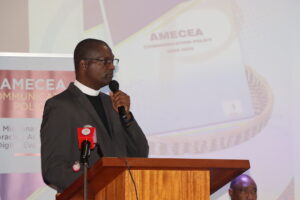
| Steven Ndhlovu ECM National Education Policy officer |
As Malawi
joins the rest of the world in commemorating the International Day of the Girl
Child which falls on Saturday, 11th October, the Catholic Education Commission in
Malawi (CECOM) an arm of the Episcopal Conference of Malawi (ECM) calls on all
stakeholders to work towards improving the quality and access to education in
the country.
joins the rest of the world in commemorating the International Day of the Girl
Child which falls on Saturday, 11th October, the Catholic Education Commission in
Malawi (CECOM) an arm of the Episcopal Conference of Malawi (ECM) calls on all
stakeholders to work towards improving the quality and access to education in
the country.
In a
statement released by the Commission and was shared with the media, the
national educational policy officer for ECM, Steven Ndhlovu said through the
statement that the education sector in Malawi is facing a number of challenges
hence the call to action by all stakeholders as the day of girl child is commemorated.
Mr. Ndhlovu challenged all to think about the Girl Child’s Education in
particular.
statement released by the Commission and was shared with the media, the
national educational policy officer for ECM, Steven Ndhlovu said through the
statement that the education sector in Malawi is facing a number of challenges
hence the call to action by all stakeholders as the day of girl child is commemorated.
Mr. Ndhlovu challenged all to think about the Girl Child’s Education in
particular.
He also
indicates in the statement that Child marriages are one of the main barriers to
education for young girls in Malawi. He said, on average, half of the
population of girls in the whole country is married by their 18th birthday
and nearly a quarter are married by the age of 15.
indicates in the statement that Child marriages are one of the main barriers to
education for young girls in Malawi. He said, on average, half of the
population of girls in the whole country is married by their 18th birthday
and nearly a quarter are married by the age of 15.
“When girls
marry at a young age, it often means that they are taken out of school and
denied chances of education and a better future,” Ndhlovu said adding that during
the period between 2010 and 2013, more than 27,000 girls in Malawi dropped out
of primary schools because of marriage.
marry at a young age, it often means that they are taken out of school and
denied chances of education and a better future,” Ndhlovu said adding that during
the period between 2010 and 2013, more than 27,000 girls in Malawi dropped out
of primary schools because of marriage.
The
statement however urges the faith-based communities and traditional leaders to join
hands in educating communities about the advantages of delaying the age of
marriage and supporting the government to increase the minimum age of marriage
from 15 to 18 years.
statement however urges the faith-based communities and traditional leaders to join
hands in educating communities about the advantages of delaying the age of
marriage and supporting the government to increase the minimum age of marriage
from 15 to 18 years.
According to
Ndhlovu, CECOM is working tirelessly to ensure that a national action plan to
combat the consequences of child marriage and secure every young girl’s right
to education is implemented.
Ndhlovu, CECOM is working tirelessly to ensure that a national action plan to
combat the consequences of child marriage and secure every young girl’s right
to education is implemented.
“Malawi is
the country with the 7th highest prevalence rate of child marriage in the
world. Our girls are being unfairly denied their right to a future and we must
take action,” he said.
the country with the 7th highest prevalence rate of child marriage in the
world. Our girls are being unfairly denied their right to a future and we must
take action,” he said.
Among other
challenges noted in the statement include the enrolment rate which is currently
at 97.5 percent primary net enrolment, school completion rated at 51 percent
survival to last grade primary, child labour at 26 percent of children in child
labour and teachers being at 74/1 pupil/teacher ratio.
challenges noted in the statement include the enrolment rate which is currently
at 97.5 percent primary net enrolment, school completion rated at 51 percent
survival to last grade primary, child labour at 26 percent of children in child
labour and teachers being at 74/1 pupil/teacher ratio.
There are
about 293,000 primary school-age children in Malawi who are not going to
school, a number of which according to Ndhlovu “must be reversed”. On current
trends, Malawi will fall well short of Millennium Development Goal (MDG) on
universal primary education by the end of 2015.
about 293,000 primary school-age children in Malawi who are not going to
school, a number of which according to Ndhlovu “must be reversed”. On current
trends, Malawi will fall well short of Millennium Development Goal (MDG) on
universal primary education by the end of 2015.
Source: By Prince Henderson, ECM
Communications Officer
Communications Officer