AMECEA: In Digital Evangelization, “Africa is not Lagging Behind,” Says AMECEA official
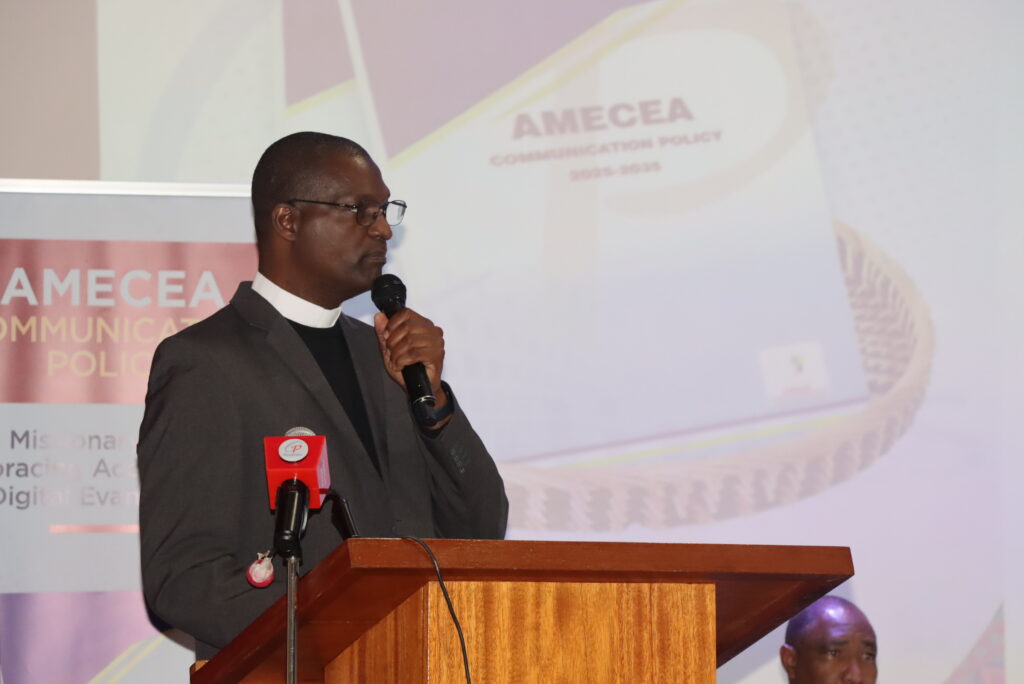
AMECEA’s Communication Coordinator, Fr. Andrew Kaufa
Sr. Jecinter Antoinette Okoth, FSSA
The Catholic Church in Eastern Africa is making bold strides in digital evangelization, with the Association of Member Episcopal Conferences in Eastern Africa (AMECEA) declaring that “Africa is not lagging behind” in embracing technological advancements for mission.
Speaking during the launch of a ten-year AMECEA Communication Policy on Monday, August 18, AMECEA’s Communication Coordinator, Fr. Andrew Kaufa, underscored that the region is keeping pace with the digital era and ensuring no episcopal conference is left behind. The policy, he said, offers a roadmap for evangelization in a fast-changing communication landscape, rooted in the synodal vision of communion, participation, and mission.
Quoting Mark 16:15, “Go into all the world and preach the gospel to all creation,” Fr. Kaufa noted that the Church’s mandate is timeless, but the tools of evangelization are evolving.
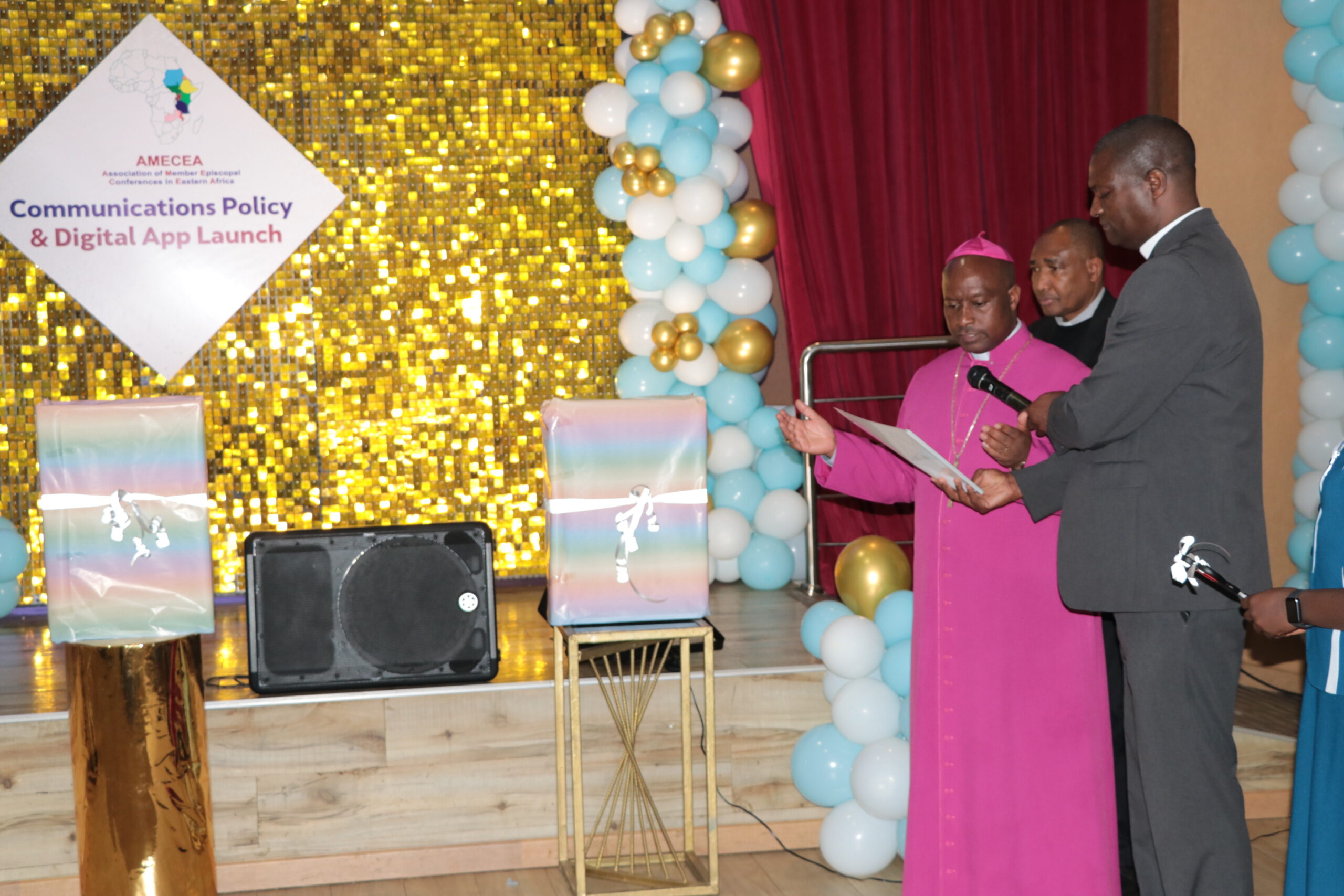 “The Catholic Church worldwide finds itself in the digital environment where methods of connecting, informing, and uplifting communities are rapidly changing,” he said, echoing Pope Francis’ reminder that communication today is not merely about sharing information, but about fostering a culture of encounter.
The new AMECEA policy emphasizes that digital technologies are now indispensable for the Church’s mission. It highlights three key areas of integration: content production using digital tools such as translation and analytics; the development of digital missionary strategies, particularly through social media; and embedding synodal values of communion, transparency, and safeguarding of vulnerable groups into online engagement.
Fr. Kaufa stressed that Africa is keeping pace with global trends, saying, “We too are witnesses to the fact that pastoral solidarity obliges us to ensure that no Conference is left behind regarding technological advancement.”
Acknowledging the risks of the digital era, the policy dedicates a section to crisis management, where it outlines steps for establishing crisis teams, monitoring media to detect issues early, preparing consistent messaging, and engaging proactively with both Catholic and secular media. These measures, the cleric said, will help the Church remain ethical, transparent, and prophetic in moments of challenge.
Fr. Kaufa appealed to all levels of the AMECEA community to embrace the policy. To the Secretariat, he urged faithful implementation of the document; to member bishops’ conferences, he recommended using the framework to develop localized strategies; to dioceses, he encouraged reaching youth and digital natives; and to Catholic media, he called for a renewed commitment to truth, transparency, and authentic encounter.
The event was graced by the Bishop Chairman of the Commission for Social Communications at the Kenya Conference of Catholic Bishops (KCCB), Bishop Wallace Ng’ang’a Gachihi, participants both onsite on online, including Catholic media practitioners, AMECEA partners, religious and clergy.