AMECEA: Communication Policy Must Shape the Church’s Voice, Says Kenyan Bishop
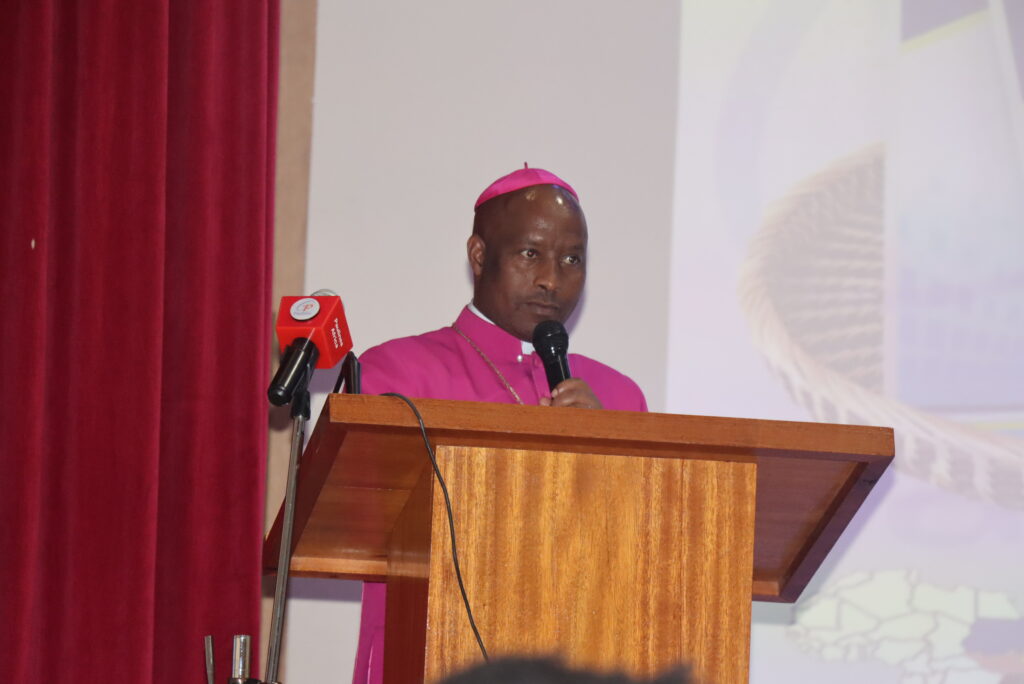
Bishop Wallace Ng’ang’a Gachihi, the chairman of the Commission for Social Communications of the Kenya Conference of Catholic Bishops (KCCB)
Sr. Jecinter Antoinette Okoth, FSSA
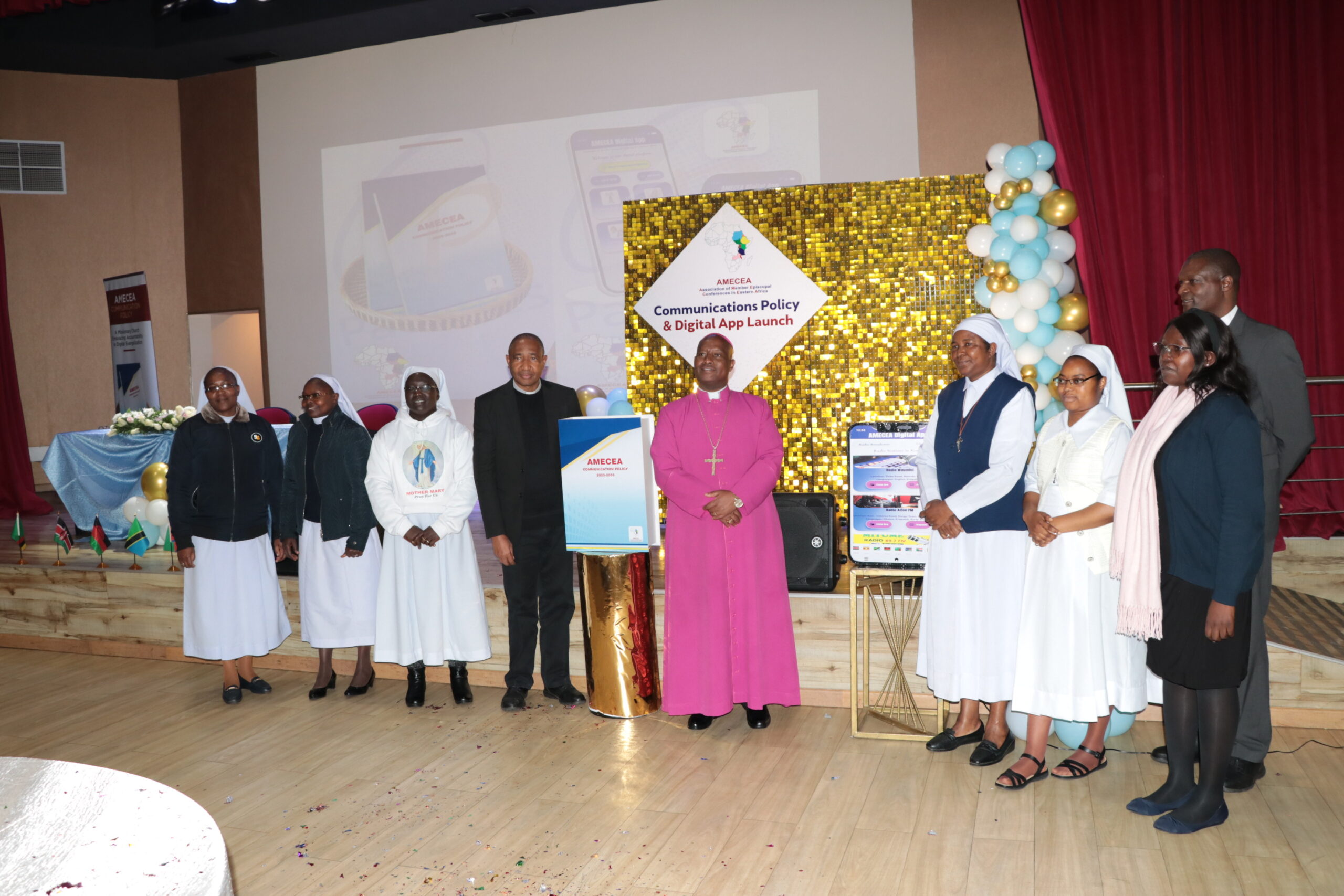
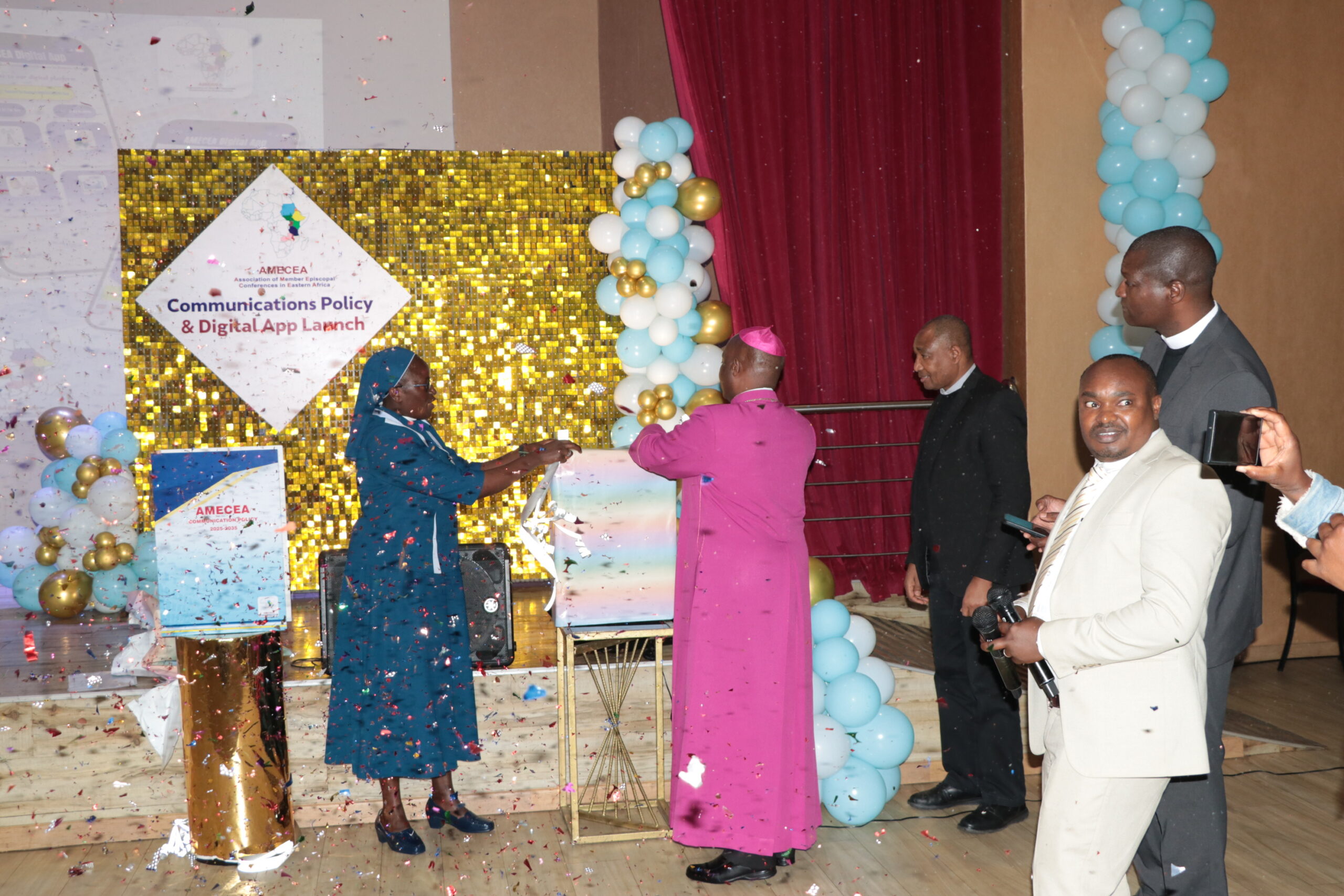
At the launch of the Communication Policy for the Association of Member Episcopal Conferences in Eastern Africa (AMECEA) and the AMECEA Digital Radio App on Monday, August 18, the Bishop Chairman of the Commission for Social Communications at the Kenya Conference of Catholic Bishops (KCCB) emphasized that a Communication Policy needs to shape the Church’s collective voice in the digital age.
In his keynote address during the event held at Consolata Shrine in Kenya’s Capital, Nairobi, Bishop Wallace Ng’ang’a Gachihi, the chairman of the Commission for Social Communications of the Kenya Conference of Catholic Bishops (KCCB), said the Church cannot afford to treat communication merely as a tool for passing information.
Rather, he narrated, communication must be a guiding force that shapes how the Church engages society, builds bridges, and responds to emerging challenges.
 “The AMECEA Communication Policy we are launching today, must shape the Church’s voice for tomorrow. Let us ensure that the Church’s voice is clear, compassionate, and compelling,” The Bishop who is the Local Ordinary of Kenya’s Military Ordinariate said and added, that the Church should be “a voice that builds bridges rather than walls, a voice that heals rather than creates harm, and a voice that invites rather than excludes.”
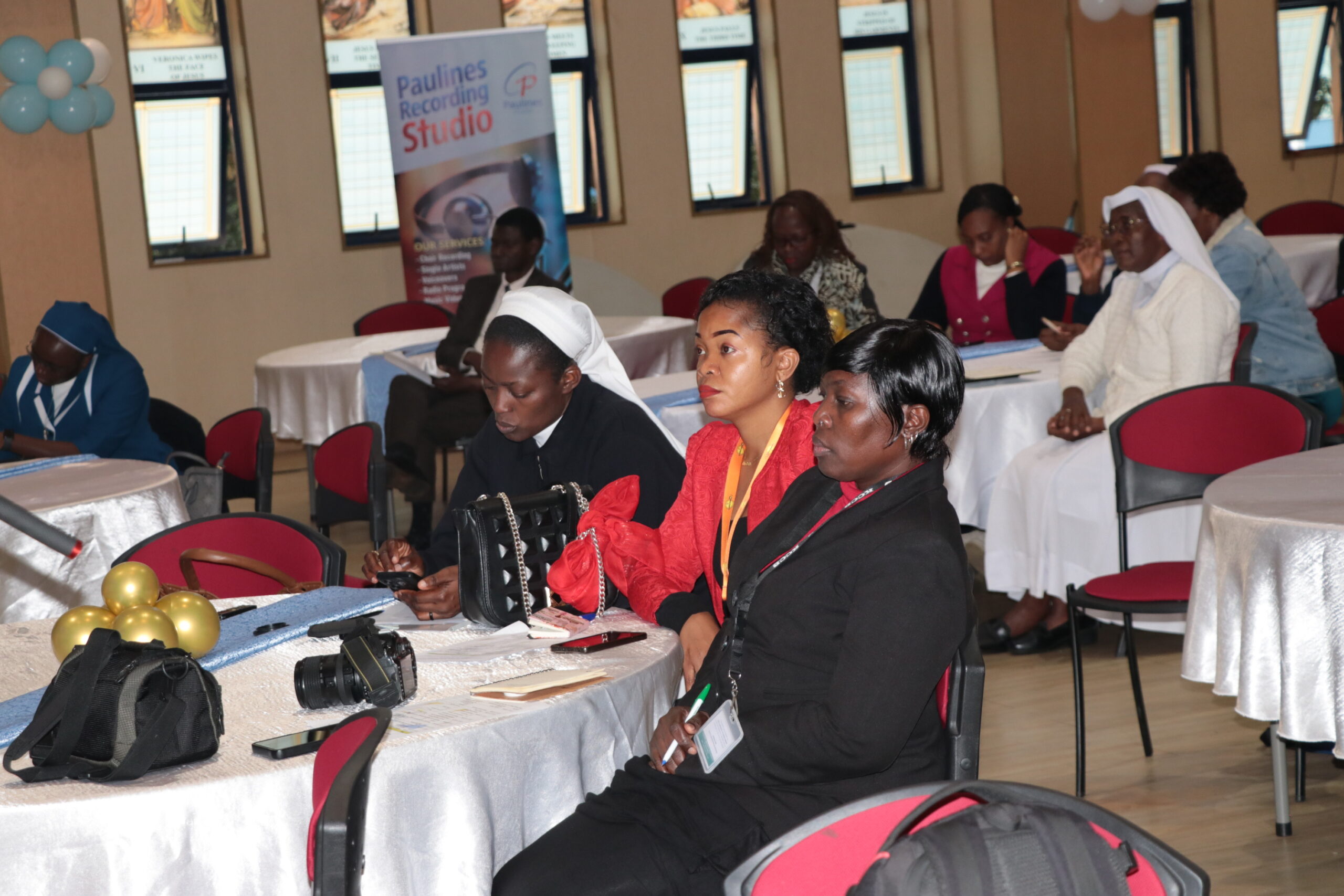
The Bishop addressed the gathering that brought together participants both onsite on online, including Catholic media practitioners, AMECEA partners, religious and clergy, in a message he themed “Building Bridges in the Digital Age: Communication Policies for Catholic Media.”
According to the Prelate, the Church currently operates in “a new culture of encounter and connectivity.” He echoed Pope Francis’ call to communicators earlier this year to embrace their “fundamental role in society.”
Stressing the significance of developing working policies in an organization, Bishop Ng’ang’a narrated that well-crafted communication policies provide direction on accountability, prevent confusion, and ensure that the Church speaks with one unified voice.
“Policies are not bureaucratic obstacles but liberating frameworks. They keep us anchored to Gospel truth while guiding us through the complex terrain of modern media,” he said, referencing the Vatican’s pastoral reflection Towards Full Presence, which stressed that “Digital engagement must go beyond visibility to become an ‘authentic presence.”
 He cautioned against the dangers of reckless communication that fuels division, quoting Proverbs 12:18: “The words of the reckless pierce like swords, but the tongue of the wise brings healing.”
The policy, he added, will help Catholic communicators respond effectively to crises, safeguard children and vulnerable adults, and responsibly embrace emerging technologies such as Artificial Intelligence.
The Chairman of the Commission for Social Communications at the Bishops’ conference pointed to Africa’s strengths in communication, such as storytelling and community values rooted in the philosophy of ubuntu.
“Our tradition that ‘it takes a village to raise a child’ translates powerfully into digital spaces,” Bishop Ng’ang’a said, urging Catholic media to embody inclusivity and collaboration between clergy, religious, and laity.
 He further outlined three practical requirements for Catholic media in the AMECEA region saying, “Embrace digital technologies with wisdom. As AMECEA, let us not fear these new technological inventions but rather harness them for content creation, translation, and data analysis while maintaining the human touch that makes our Gospel message authentic.
Besides, counter misinformation proactively, ensuring that truth “not only endures but also catches up with speed.” Similarly, he told media practitioners, Practice cultural sensitivity, by producing content that resonates with diverse audiences while respecting their dignity.
He likened the collaborative spirit of communication to an African proverb: “When spider webs unite, they can tie up a lion,” and urged Catholic communicators to weave their efforts together through shared policies, common purpose, and prophetic witness to overcome misinformation and division in the digital age.