AMECEA: Prelate Warns of Power Imbalances as Root Cause of Abuse
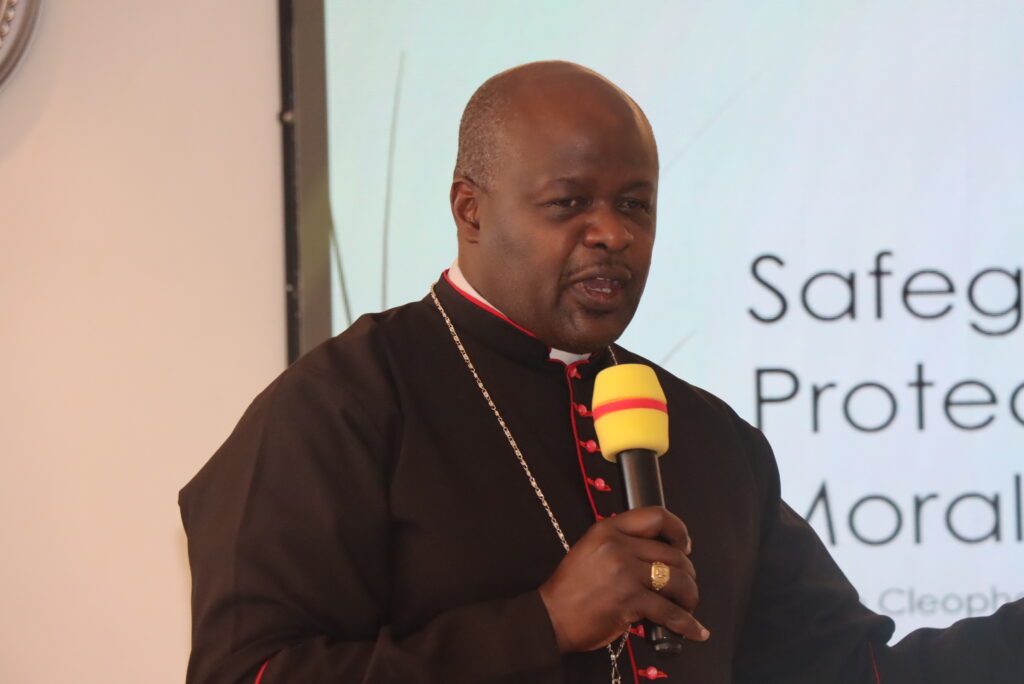
Bishop Cleophas Oseso Tuka of Kenya’s Nakuru Diocese
Sr. Jecinter Antoinette Okoth, FSSA
The misuse of power within the Church and society remains one of the deepest roots of abuse, a Catholic prelate has warned at a conference in Nairobi, Kenya, focusing on safeguarding in Seminary formation.
Addressing the over 60 participants from across the Association of Member Episcopal Conferences in Eastern Africa (AMECEA) during the international safeguarding conference in the region, Bishop Cleophas Oseso Tuka of Kenya’s Nakuru Diocese said that addressing abuse is not just a matter of institutional procedure but a moral and spiritual responsibility.
“A lack of justice can create power imbalances that enable abuse,” Bishop Oseso stated and warned, “We must be aware of and address those imbalances between leaders and the vulnerable if we are to create a culture of fairness, transparency, and genuine care.”
During his presentation at a conference, described as a learning forum for safeguarding in Seminaries under the theme “To the Pulpit with Love and Care: Towards a Deeper Safeguarding Commitment through Seminary Formation,” Bishop Oseso, who has been at the helm of Nakuru Diocese since 2023, expressed that “Safeguarding is a theology of care for the vulnerable, and also about creating safe environments, empowering individuals, and ensuring that the most fragile among us experience the compassion and protection of Christ.”
The forum, which brought together bishops, seminary rectors, formators, safeguarding professionals, religious, the laity, and seminarians from across the region, examined the Church’s historical handling of abuse cases and the shift from denial and secrecy to a renewed focus on holistic care, accountability, and healing.
Past failures, including clericalism, cover-ups, and neglect of victims, stemmed largely from unchecked authority and lack of empathy, the Bishop said, and cautioned, “When we fail to confront systems of privilege and silence, we risk re-victimizing those already wounded.”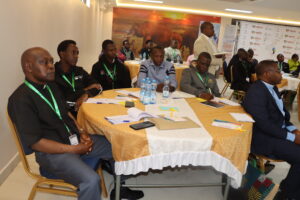
Drawing from Scripture, while presenting on the sub-theme, ‘Safeguarding and Child Protection: Identifying the Moral and Spiritual Nexus,’ the Bishop emphasized that safeguarding must be seen not as a bureaucratic response but as a spirituality rooted in love, justice, and the Gospel.
He reminded the over 60 participants that God consistently calls His people to defend the weak and uphold justice. Citing passages from Exodus, Proverbs, and Micah, he explained how the Church’s role is to manifest the Gospel’s teaching by protecting children and vulnerable adults.
Bishop Oseso further outlined a “fourfold pastoral approach” for the Church to foster a culture of safeguarding, saying, “We are called to do good and actively promote the well-being of all.”
Besides, “Not harm, and avoid actions or systems that could endanger others. Respect the autonomy of others by upholding the dignity and freedom of every person and promote fairness and justice by ensuring transparency in decision-making and leadership,” the Bishop added, noting that each pastoral approach represents a moral obligation for all Christians, particularly those entrusted with leadership and formation.
This framework, he said, provides a spiritual roadmap for seminarians and Church leaders to ensure that safeguarding becomes a lived expression of faith rather than a reaction to crisis.
The Bishop referenced Pope Francis’ words to encourage permanent, structural, and cultural change that make communities safe, saying: “Abuse prevention is not a blanket to be spread over emergencies, but one of the foundations on which to build communities faithful to the Gospel.”
The three-day forum from October 20–24 at Donum Dei, Nairobi, reaffirmed the Church’s commitment to ensuring that future priests are not only trained in theology and pastoral ministry but also deeply formed in the spirituality of safeguarding “to preach from the pulpit with love and care.”