AMECEA: Catholic Sister Challenges Status Quo in Formation, Urges Study on Systemic Patriarchy
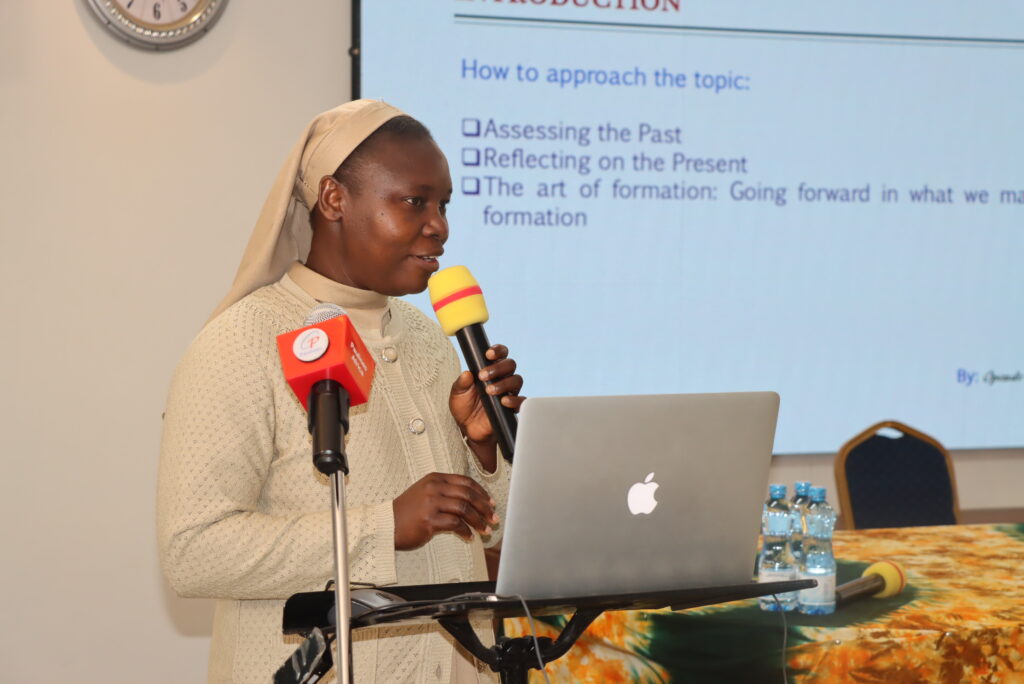
Sr. Jacinta Auma Opondo, FSSA Deputy Principal for Academic Affairs at Hekima University College (HUC)
Sr. Jecinter Antoinette Okoth, FSSA
A Catholic nun has called for a bold rethinking of seminary and religious formation, and challenged the Church to confront systemic attitudes that hinder authentic collaboration and inclusivity in priestly and religious training.
Speaking at Donum Dei, Roussel House in Nairobi, during the regional learning forum for safeguarding in seminaries organized by the Safeguarding Desk of the Association of Member Episcopal Conferences in Eastern Africa (AMECEA), Sr. Jacinta Auma Opondo emphasized that formation must move beyond instruction to a transformative accompaniment that shapes men and women capable of serving humanity with humility and integrity.
In her presentation on Wednesday, October 22, the member of the Franciscan Sisters of St. Anna (FSSA) and the Deputy Principal for Academic Affairs at Hekima University College (HUC), focused on the “Art of formation: equipping formators for effective seminary service,” and pointed out that for the Church to realize her vision of “collaborative ministry” there is need to formally addresses its structures.
“The primary obstacle to true partnership in ministry is the ‘hidden curriculum of systemic patriarchy which has resulted in ‘System Patriarchy Syndrome,” Sr. Opondo said and defined patriarchy not just in a sense of gender inequality, but as a system where some men dominate others, regardless of gender, based on a hierarchy of power.
This system, she argues, is often unintentionally absorbed during formation, hence creating an invisible set of values that overrides formal training.
She narrated that when the “hidden curriculum” takes root, it leads to manipulation by self-promoting personalities, feelings of domination and control in clerical-lay relationships, confusion about the nature of collaborative ministry, and the persistence of struggles over clericalism and anti-clericalism, among others.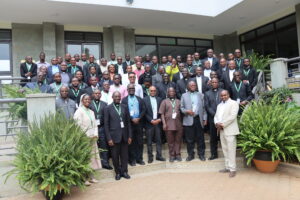
According to the Franciscan Nun, while addressing the over 60 participants, including the bishops, seminary rectors, formators, safeguarding professionals, religious, the laity, and seminarians from across the AMECEA region, “There may be a need to introduce a topic on ‘systemic patriarchy’ in the formation curricula.”
By introducing this formal study, she said, the future clergy and religious would be forced to analyze and dismantle the unconscious biases that impede the Church’s mission, and this may be a “step in promoting an atmosphere of openness and collaboration in ministry.”
The three-day conference from 20th-24th October, was themed: “To the Pulpit with Love and Care: Towards a Deeper Safeguarding Commitment through Seminary Formation.”
Sr. Opondo therefore outlined other critical areas where seminary training needs to evolve to meet the challenges of the modern world and prevent crises, saying, “We need to move beyond instruction in formation houses.”
At the same time, she added, many candidates arrive at formation deeply wounded by societal issues, hence formators need to have a “watchful gaze and attentive listening” to recognize these wounds and address them.
She further emphasized the need to normalize mental health support. She called for the formal integration of mental health and psychological support services to help candidates achieve the “holistic integration” necessary for effective ministry.
By urging the Church to rethink her structures and adopt a more holistic approach to training, Sr. Opondo highlights the role of education not only in preserving tradition but also in driving meaningful reform within the institution.