ACWECA: ACWECA Builds Leadership Capacity in Uganda Religious Institutes
By Immaculate Tusingwire, MMS, and Sr Teresa Banda (TS)
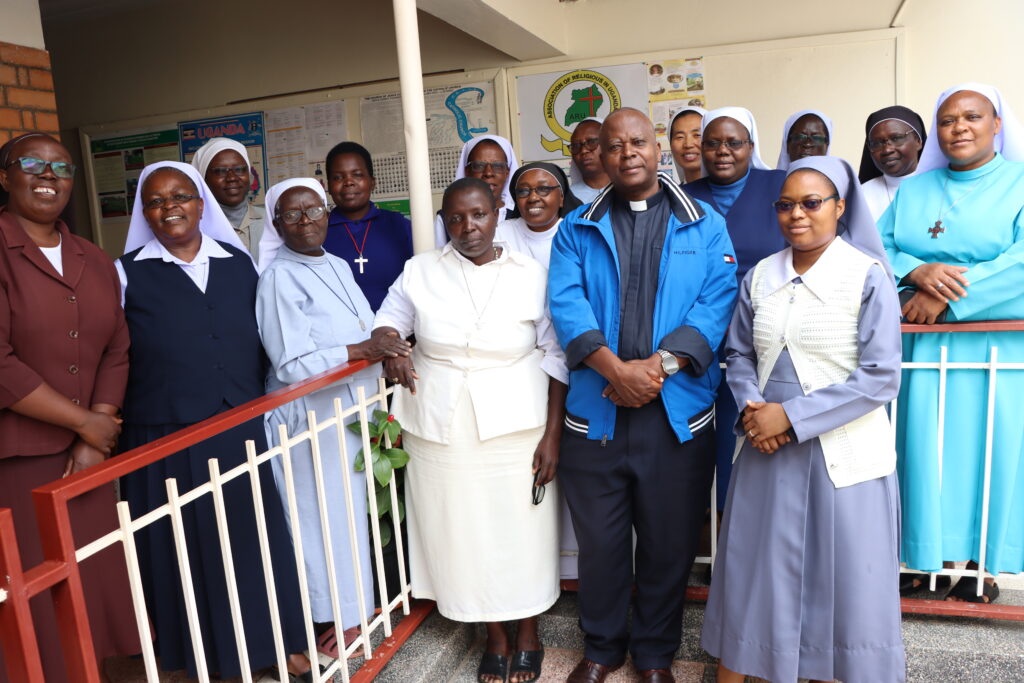
Association of Consecrated Women in Eastern and Central Africa (ACWECA), in collaboration with the Association of Religious in Uganda (ARU), organized a five-day training workshop at the ARU Secretariat for newly elected superiors of various Religious Institutes.
The workshop, conducted from 25th to 29th August, aimed at empowering and equipping the new leaders with knowledge, leadership skills, and encouragement as they take up their leadership responsibilities. The gathering also provided a valuable opportunity for participants to interact, share experiences, and learn from one another as leaders entrusted with similar responsibilities.
This training is part of a wider initiative that has already been conducted in Malawi, Tanzania, Ethiopia, and Zambia, benefitting 135 superiors so far. The sessions, which were conducted by different facilitators, covered a wide range of topics, including: Holistic Organizational Capacity Assessment Instrument (HOCAI), Resource Mobilization and Accountability in the Context of Religious Life, Sustainability in the context of Religious life, Servant Leadership and Good Governance, and anon Non-Law on the Administration of Temporal Goods.
This transformative training provided superiors with a valuable space to reflect, learn, and renew their commitment to leadership rooted in faith and service. They were guided to assess both the strengths and challenges of their congregations, enabling them to better align community structures with their spiritual mission.
The sessions on canon law shed light on stewardship of resources and the administration of temporal goods. These discussions helped superiors appreciate the delicate balance between spiritual fidelity and effective governance, particularly in ensuring a clear segregation of duties. The training further underscored that ecclesiastical goods are intrinsically connected to the mission of the Church, and thus superiors are called to adopt a proactive approach in their supervisory responsibilities.
The superiors were encouraged to assess the performance of their institutes, identify needs, close gaps, and continuously improve. They also shared insights on responsible management of resources and were reminded of the importance of teamwork, stewardship, accountability, transparency, and ownership in fulfilling their mission.
The facilitators emphasized that sustainability is not only about financial strength but also about ensuring the continuity of mission and apostolates, which requires creativity, innovation, and a strong sense of belonging within each institute.
A highlight of the workshop was a visit by a team from the Centre for Research in Religious Life and Apostolate (CERRA) Africa, who introduced their Mission and Vision and engaged superiors in interviews about the research they are carrying out. The Superiors expressed appreciation for CERRA’s role in helping Religious Institutes understand themselves better and document their success stories.
The Secretary General of the ACWECA, Sr. Bridgitta Samba, expressed her appreciation to the Centre for Research in Religious Life and Apostolate (CERRA) Africa for engaging Superiors in research aimed at enhancing the mission of their religious institutes.
In her remarks, Sr. Seraphine Kaitesirwa, Vice Chairperson of ARU, expressed heartfelt gratitude to ACWECA and its partners for their continued commitment to empowering women religious leaders. She applauded the superiors for their commitment and highlighted that the training strengthened the spirit of synodality and solidarity among institutes. She reminded participants that, as “pilgrims of hope,” religious leaders are called to walk together in collaboration.
According to Sr. Christine Mwangi, the coordinator of ACWECA Leadership for Mission, a similar program will still be carried out before the end of this year in Zimbabwe. ACWECA continues to be committed to the Formation of leaders in religious institutes across the ACWECA Region. She hopes that the training will leave superiors better prepared to serve their institutes with confidence, vision, and renewed commitment.