AWRIM: Integrated Father-Baby Course Training Held in Malawi
By: Sr. Teresa Banda – ACWECA
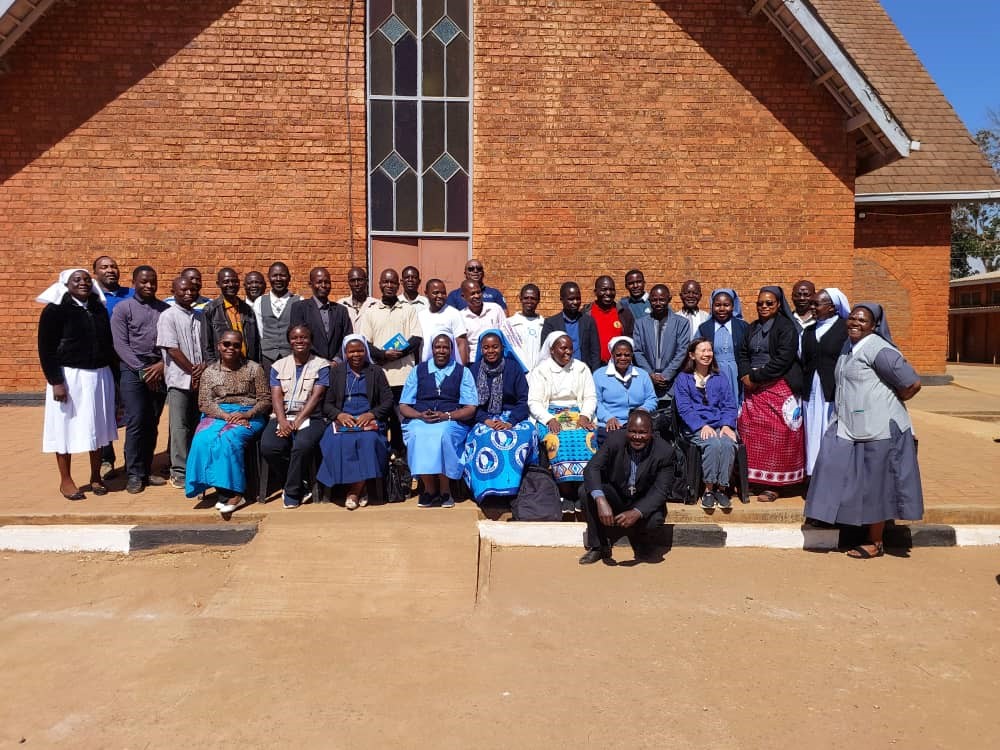
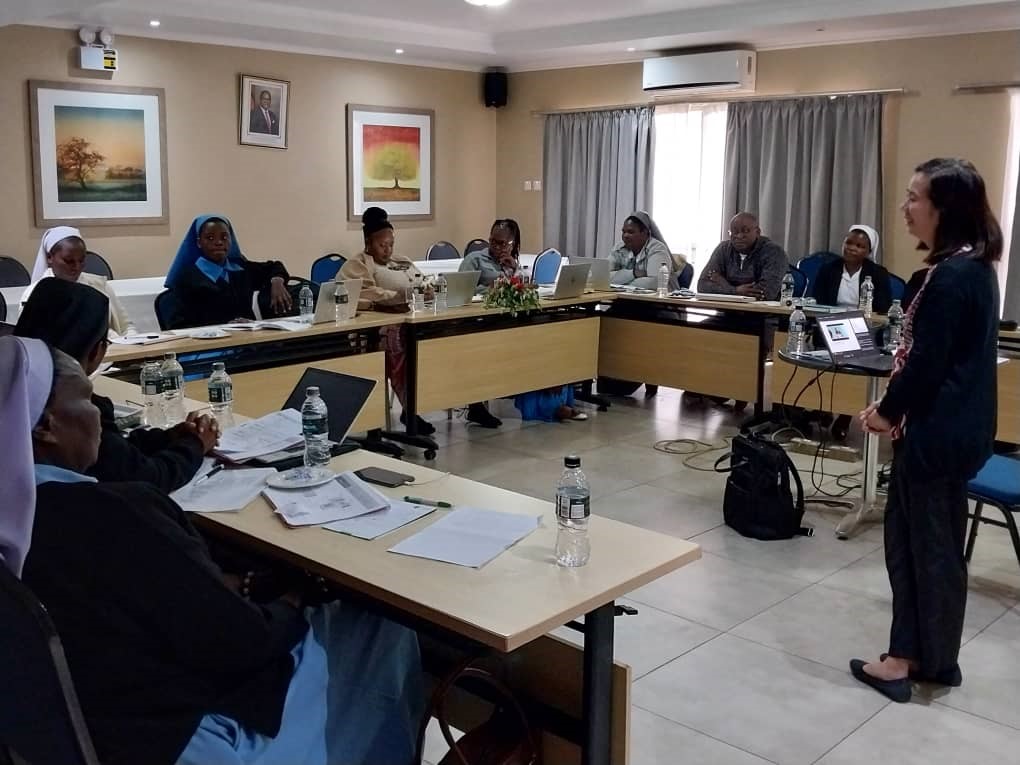
Strengthening Capacity of Religious Women in Early Childhood Development (SCORE ECD) project implemented in five countries in Africa conducted successfully a five-day trainer of trainees (TOT) training on Integrated Father-Baby Course (IFBC) in Malawi in July 2025. The workshop brought together 15 participants from five countries: Ghana, Kenya, Malawi, Tanzania and Zambia.
Mrs. Sekai Mudonhi, the Country Representative for CRS Malawi, officially welcomed all participants. In her opening remarks, she provided important guidance on health and safety protocols as well as local laws. She emphasized the significance of the training and highlighted the unique opportunity it offered for learning, collaboration and strengthening early childhood development efforts across the region.
Following the welcoming address, Sr. Pauline Acayo, the Regional Coordinator overseeing the implementation of the SCORE ECD program across the participating countries, officially opened the training. She stressed the importance of the IFBC curriculum within the broader context of Early Childhood Development. Sr. Pauline urged all participa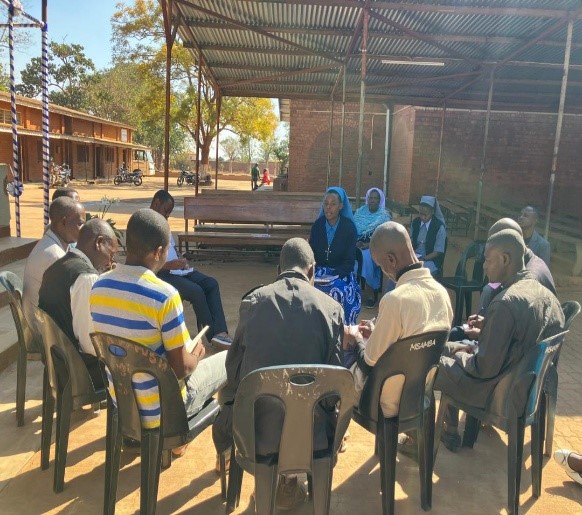 nts to orient Master Trainers, Sisters and Community Health Volunteers (CHVs) on the IFBC model upon returning to their respective countries, so that they, in turn, can begin cascading the training to caregivers within their communities.
She acknowledged the generous support of the Conrad N. Hilton Foundation, which funds the SCORE ECD program and commended the foundation’s strong commitment to improving family well-being, especially in support of children during their most formative years.
The five-day training was facilitated by a Clinical Psychologist and Program Director from George Town University in United States. Throughout the sessions, she offered in-depth and compassionate guidance on a wide range of critical topics. These included understanding stress and how it manifests in parents, recognizing the signs and effects of depression on family and child well-being and using quick mood scales to monitor emotional changes. The sessions also explored the impact of parental mental health on early childhood development, along with practical skills in active listening, empathy and basic counseling techniques for caregivers.
One of the most impactful moments of the training occurred, when participants carried out a field visit to St John Msamba Catholic Parish in the Archdiocese of Lilongwe. They held a community session with 14 men focusing on Common Mood Problems in Men and Women Before and After Birth of their children. They engaged in open discussions, where they shared their personal experiences of their thoughts, external reality and mood affect their family and children wellbeing. They also described several challenges that often affect their mental well-being, including financial hardship, hunger, misunderstandings related to loans, unemployment and a general lack of emotional support.
Participants shared that behind the smiles, many caregivers face deep and painful struggles in their daily lives. These real life struggles were said to frequently lead to serious mental health issues such as suicidal thoughts, chronic illnesses, social withdrawal, sleeplessness, anger and even talking to oneself due to unprocessed internal suffering. The men expressed how these burdens, when left unaddressed, worsen into deeper psychological suffering hence affecting their contribution to child wellbeing.
 During the group discussion, the men also proposed a number of potential solutions, such as the importance of counseling, forming strong support groups and sharing challenges with trusted friends. They emphasized that creating awareness within the community and reducing the stigma surrounding men’s mental health is critical. They also underlined the need for increased sensitization on how both men and women can navigate emotional changes during and after childbirth.
At the end of the training, participants completed evaluation forms reflecting on the content and delivery of the sessions. Feedback was overwhelmingly positive, with many describing the training as timely, essential and life changing. Participants committed to taking immediate steps upon returning home, including orienting Master Trainers, CHVs and the Sisters on the IFBC model and organizing sessions for caregivers.
The IFBC training has laid a strong foundation for expanding psychosocial support for caregivers. Ultimately, it aims to promote improved developmental outcomes for children during their most critical early years.