TANZANIA: Politicians Accused of Contributing to Disasters, As Caritas Officials Urged Not to Ignore Signs of Natural Disasters
Dalphina Rubyema
A section of politicians has been accused of contributing to the increasing impact of disasters in Tanzania by persuading residents to remain in high-risk areas despite warnings from disaster experts and social organizations.
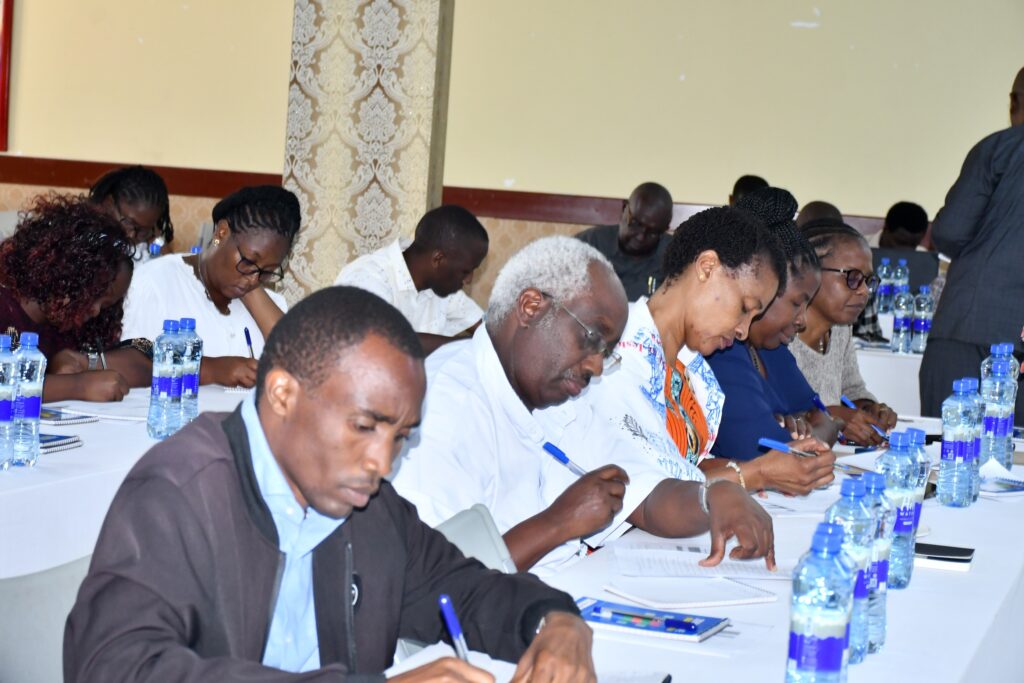
The concerns were raised during a training workshop on Disaster Risk Management (DRM) and Disaster Risk Reduction (DRR), which brought together directors of the Catholic Church’s development organization, Caritas Tanzania, from various dioceses, as well as the organization’s disaster coordinators. The workshop was held at the headquarters of the Tanzania Episcopal Conference in Dar es Salaam.
Participants said that organizations such as Caritas often advise communities living in flood-prone or otherwise dangerous areas to relocate for their safety. However, some political leaders reportedly discourage them from moving, claiming the areas are ancestral lands that preserve their heritage and history.
Arusha Caritas Director, Mr. Norasco Mkawe, said some politicians mislead citizens by encouraging them not to leave areas showing clear signs of potential disasters in an effort to gain political support and appear close to the people.
According to him, politicians often convince residents that relocating would mean abandoning their identity, history, and even their ancestors’ graves. As a result, even communities that initially agree to relocate after receiving education and awareness campaigns later refuse to move, leaving them vulnerable when disasters occur.
Participants also pointed to the tendency of some authorities to withhold accurate information about the extent of disasters, especially regarding the actual number of deaths. According to them, this has led many residents to underestimate the seriousness of disasters and to refuse to leave high-risk areas.
Corruption among some law enforcement and regulatory officials was also cited as a factor contributing to risky practices, including allowing chemically contaminated water from mining activities to pass near residential areas.
Opening the seminar, Acting Secretary General of the Tanzania Episcopal Conference and Director of its Pastoral Department, Father Alister Makubi, urged Caritas officials to carry out their responsibilities professionally while upholding Catholic values in responding to both natural and human-made disasters.
He said that, as development partners and disaster management experts, they must continue to educate communities about disasters that frequently occur across the country, including floods, cyclones, and landslides, all of which threaten lives and property.
Father Makubi said such disasters highlight the importance of strengthening preparedness, building resilience, and empowering communities to actively protect themselves.
He noted that the Church has consistently been at the forefront of humanitarian assistance during disasters, but emphasized that the current situation requires a broader approach focused on education, prevention, and preparedness rather than relying solely on emergency relief efforts.
He further stressed that communities should not remain passive victims of disasters but should become key actors in bringing change and protecting themselves. He reminded Caritas officials that their mission is rooted in Gospel values, solidarity, compassion, and care for God’s creation, which should be reflected in actions that save lives, protect livelihoods, and strengthen communities.
The lead facilitator of the training, Dr. Japhet Ringo, a disaster management expert from the University of Dodoma, said that some disasters become severe because communities fail to prepare in advance, partly due to the neglect of indigenous knowledge and traditional warning signs.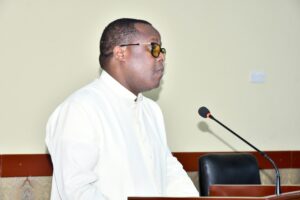
He explained that in some communities, unusual animal behaviour is traditionally considered an indicator of impending disaster. Examples include excessive barking by dogs, unusual movement of ants, or the migration of wild animals from protected areas, all of which are viewed as warning signs that prompt communities to take precautions.
Dr. Ringo encouraged Caritas officials to integrate indigenous knowledge of disaster indicators with scientific systems in order to improve community education and preparedness.
He said communities rely heavily on Caritas in the areas where it operates and urged officials to identify environmental risks early and to work with local elders who understand traditional customs and disaster warning signs.
During discussions, participants acknowledged that indigenous knowledge, when properly applied, can contribute positively to disaster preparedness and response. However, they also cautioned against practices that could draw the Church into activities associated with superstition.
The Church was described during the training as a key stakeholder in disaster management because of its extensive communication network and the trust communities place in the institution.
According to Caritas Tanzania Director, Ms. Marshal Mpokonya, the training — held as part of the organization’s Annual General Meeting — aimed to strengthen participants’ capacity by equipping them with practical skills for disaster preparedness and response before and after emergencies occur.
She said the program also sought to strengthen unity among Caritas officials from different dioceses by addressing common challenges and developing joint strategies for solutions as an institution of the Catholic Church.
Ms. Mpokonya added that another key objective of the training was to empower communities to take concrete measures in preventing and responding to disasters within their localities.
She further noted that Caritas officials are encouraged to carry out their responsibilities in line with Church teachings and guidelines, including Catholic Social Teaching, as well as the frameworks of Caritas Africa and Caritas Internationalis, alongside government policies and regulations.