TANZANIA: Tanzania’s Catholic Bishops Call for National Healing, Accountability After Post-Election Unrest
Sarah Pelaji
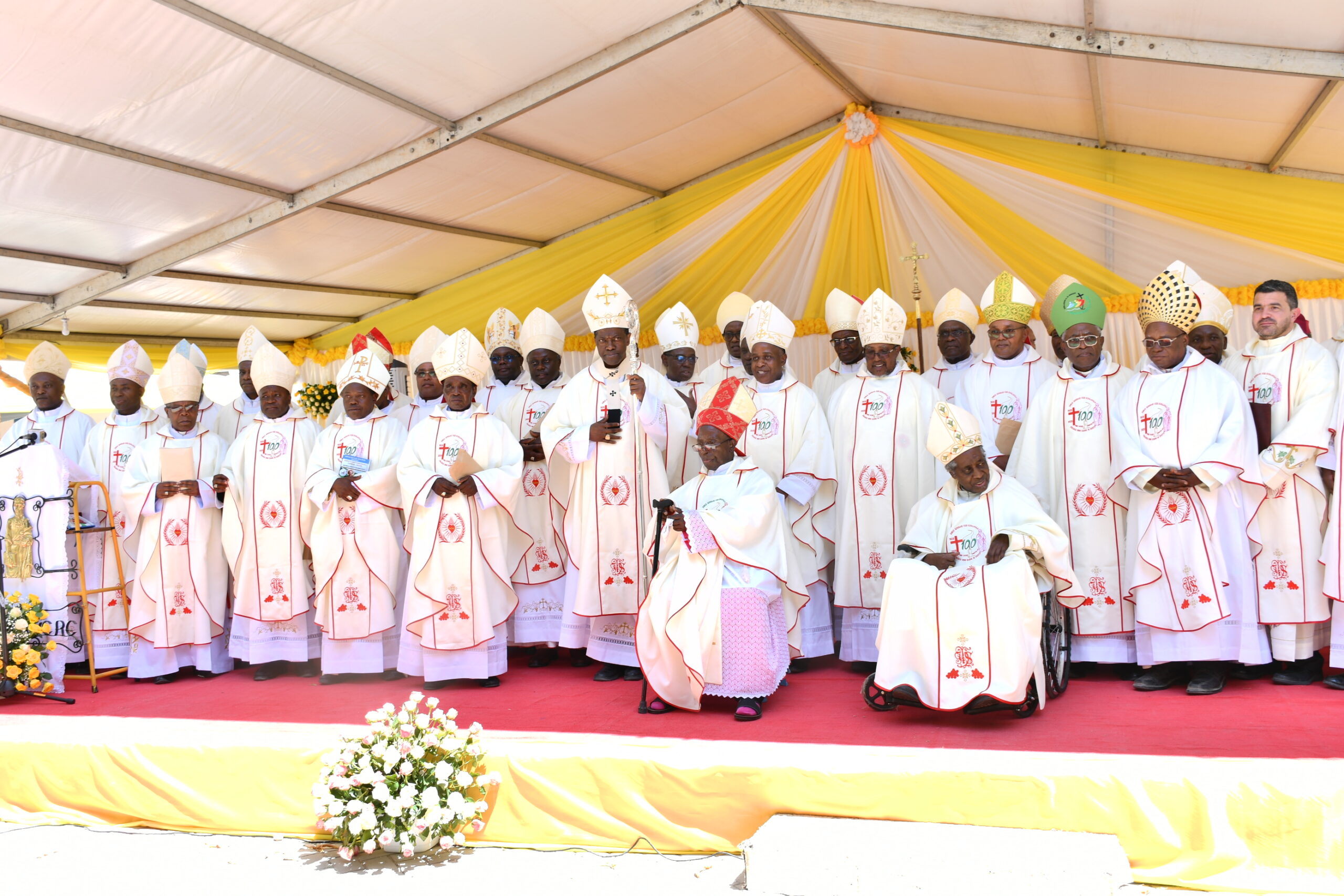
The Tanzania Episcopal Conference (TEC) has issued a deeply reflective statement expressing sorrow over the loss of life, injuries, disappearances, and destruction of property that followed the country’s October 29, 2025, general election. In a document released after their plenary meeting held from November 11- 14, the bishops shared their condolences, outlined key concerns, and proposed steps they believe are necessary for restoring unity, justice, and trust within the nation.
According to the statement, the post-election protests, which spread across several regions, plunged the nation into “a state of uncertainty” marked by violent confrontations that left families grieving and communities shaken.
The bishops described the deaths and injuries as a tragedy that has “wounded the entire nation” and diminished Tanzania’s moral standing before the international community. They emphasized the sanctity of human life, recalling the biblical foundation that life is a gift from God, and lamented that some victims were harmed in their homes or workplaces despite not participating in the demonstrations.
In their message of condolence to victims and affected families, the bishops conveyed heartfelt sympathy to all families who lost loved ones, especially those who witnessed killings or were unable to recover the bodies of their relatives. They prayed for healing for the injured, comfort for those traumatized spiritually or psychologically, and eternal rest for all who died during the unrest.
TEC’s assessment of the situation outlines several issues they believe contributed to the unrest. One concerns the public’s longstanding fear arising from unresolved cases of killings, abductions, and assaults, which the bishops say demonstrate violations of the right to life as enshrined in the Constitution. They noted public frustration with the lack of decisive action to address these violations and the perception that unidentified perpetrators operate with impunity.
Another factor, they said, relates to widespread dissatisfaction with the conduct of elections. The bishops highlighted recurring concerns about fairness, transparency, and credibility, noting that the absence of meaningful reforms since 2016 has undermined public trust in the democratic process.
The bishops also pointed to weaknesses in state institutions, noting that many citizens feel they lack accessible, impartial avenues to seek redress when their basic rights are violated. In their view, the perceived interference in institutional independence has fueled public anger.
On the use of excessive force by law enforcement officers during protests, the bishops expressed concern that security organs failed to manage the situation professionally, citing evidence that live ammunition was used. They referenced United Nations guidelines, which classify live firearms as a last resort only when there is no alternative to protect life. Equating the response to methods used in warfare, the bishops described the killings as unnecessary and devastating, urging reflection on how such actions could occur within a peaceful nation.
The statement also condemns the denial of medical care to wounded individuals and calls such actions unethical and contrary to the principles of medical science, which aim to preserve life. Additionally, the bishops expressed concern over reports of missing bodies, urging authorities to ensure families receive the remains of their loved ones so they may be laid to rest with dignity according to faith and cultural traditions.
Looking ahead, the TEC proposes several measures intended to promote national healing and prevent future crises. They urge leaders to openly condemn the killings and acknowledge that the victims were Tanzanians whose lives deserved protection. They emphasize that genuine healing can only begin when truth is admitted and justice upheld.
The bishops also call for accountability among security leaders and any individuals involved in unlawful actions, arguing that citizens need to see responsibility being taken. They assert that truth brings freedom, quoting the Gospel of John.
To establish clarity and foster reconciliation, the TEC recommends an independent investigation involving local and international stakeholders, including religious institutions, civil society organizations, and experts in human rights and democracy. They stress that government openness to such a process is essential for restoring national trust.
The bishops further urge national leaders to exemplify integrity, transparency, and accountability, and call for the release of all individuals detained before or after the elections without just cause. Highlighting the prolonged national demand for constitutional reform, the statement calls for reviving a participatory process toward a new constitution grounded in equality, justice, and the rule of law.
The TEC also encourages leaders to listen more attentively to citizens, warning that when people feel unheard, they express themselves “in the ways they know.” Finally, the bishops invite all Tanzanians to pray for healing, unity, justice, and peace, insisting that the country can rebuild through dialogue, truth, and goodwill.
In concluding their reflection, they caution that “bullets have never silenced people,” and urge leaders to embrace wisdom and create space for listening and reconciliation. They reaffirm their prayers for the injured, for families grappling with loss, and for the nation to regain stability and harmony.