KENYA: Students Equipped with Skills for Transformative Leadership and Societal Engagement
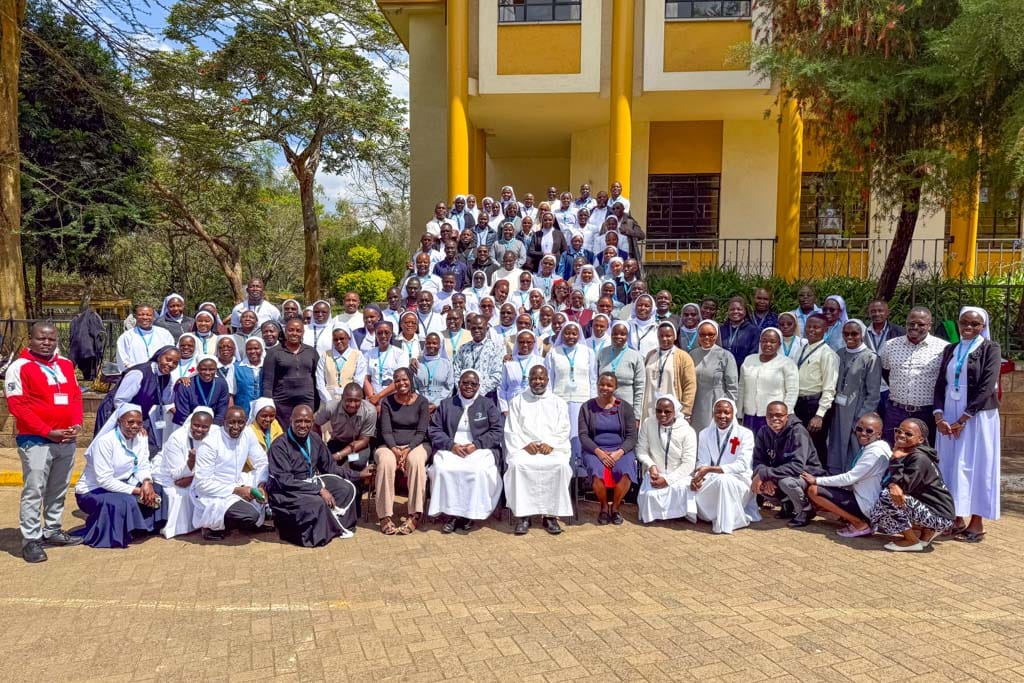
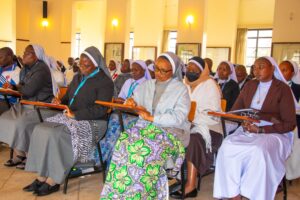
NGLP students during Recollection at Resurrection Garden
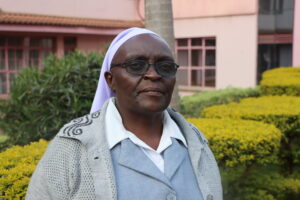
Sr. Jecinter Antoinette Okoth, FSSA
University students from 26 institutions of higher learning in Kenya have been equipped with skills that integrate intellectual excellence and dedicated service to achieve transformative leadership and profound community impact.
The Next Generation Leadership Programme (NGLP), formerly the Catholic Scholarship Programme, which focuses on academic, professional, and leadership training for African religious women, men, and the laity, trains its scholars to be “Beacons of Hope: Called to Serve, Transform, and Inspire.”
This approach is rooted in the belief that effective leadership is not about “domination,” but “humble service to the people of God,” and that it helps students move beyond academic qualifications to embrace practical service that uplifts the community and nurtures ethical governance.
In a reflection shared by Fr. John Webootsa, a member of the Comboni Missionaries of the Heart of Jesus (MCCJ), to over 150 students during their recollection at Resurrection Garden, in Kenya’s capital, Nairobi, society is currently hungry for authentic leadership and moral clarity. Hence, he reminded students, “leadership is not about titles or control, but about service to humanity.”
“True power is measured by how much you lift others,” Fr. Webootsa told the university students and quoted the late Pope Francis, who stressed that leadership “has only one road: ‘service.’”
Fr. Webootsa encouraged the next generation leaders to blend intellectual formation with pastoral closeness and learn to lead not from a distance, but by walking with those they serve, demonstrating what the late Pontiff called “the odour of the sheep.”
Talking about transformation and stepping out of comfort zones to engage with the world’s wounds, the cleric challenged the scholars to see leadership as a call to bring healing where there is pain and renewal where there is stagnation. He emphasized, “We were not built for safety, but for purpose and impact.”
He elaborated on the theme of the Sunday reflection: “Beacons of Hope: Called to Serve, Transform, and Inspire,” and noted that “hope is the certainty that something makes sense.” Additionally, “hope sustains service, fuels social change, and breaks down doors of despair.”
In an interview with Sr. Elizabeth Nziwa Oyuka, the Board chairperson of NGLP, on the significance of Community Service Activity, which the scholars are committed to yearly, the member of the Assumption Sisters of Nairobi said, the initiative aims to teach scholars to understand the needs of society and support in the little ways they can.
“Students don’t have to wait until they are rich to share with others. Community Service brings them to the “peripheries” of society and shows them where the Church is truly found,” Sr. Nziwa said.
The nun, who also serves as a lecturer at the Catholic University of Eastern Africa (CUEA) in the School of Business, pointed out that the impact of this approach is already visible in society. She cited an example in which the NGLP scholars collectively paid school fees and rent for a needy student, who graduated and secured a job.
Additionally, Sr. Nziwa narrated further, “An NGLP student initiated a rehabilitation programme that prepares prisoners for reintegration and links them with their families. This program further prepares those who have been reintegrated into the Church. Such small acts of service, the program holds, are what transform lives and build up the Church.”
In conclusion, Sr. Nziwa disclosed that the NGLP, an initiative that supports religious sisters, priests, brothers, and lay people working with Catholic organizations, has recognized a crucial gap in the Church’s leadership.
“While many members have deep theological and philosophical knowledge, they often lack the skills in management, leadership, and administration necessary to run the Church’s numerous institutions in education, medicine, and other sectors. The programme, therefore, addresses this gap by mandating that all its scholars complete special courses in Servant Leadership, Child Safeguarding and Protection, and Executive Management,” she said.